waec 2026 biology answers, waec biology 2026 questions and answers, waec 2026 biology practical answers, 2026 waec biology essay and objectives, real waec biology questions 2026, 2026 waec biology runz, waec biology expo 2026 today, verified waec biology past questions, waec 2026 biology practical specimens, waec biology practical marking scheme 2026, free waec biology expo whatsapp group, biology food tests waec practical, cell structures and functions waec theory, biological drawings guidelines waec, classification of living organisms waec notes, adaptation of specimens waec biology, how to answer waec biology theory questions, waec 2026 biology questions pdf, score a1 in waec biology 2026, free waec biology answers 2026.
Get free, verified WAEC 2026 Biology answers, essay, objectives, and practical specimen analysis. Score a parallel A1 today—visit noniexpo.com now!
2026 WAEC BIOLOGY ANSWERS
For FREE ANSWERS, Join NoniExpo on WhatsApp Channel
Free Midnight Answers ( WAEC, NECO, NABTEB, IJAM..... Never miss an update. Get our latest posts, features, and trends sent straight to your phone!
FOLLOW THE PROCEDURES BELOW TO ENJOY BEST FAST ANSWER DELIVERY
👇👇👇👇👇👇
====================
BIOLOGY SUBSCRIPTION
- Password/Link Answers (Pay early & Get Early Answers) = ₦1500 MTN CARD
SEND MTN-CARD + SUBJECT TO 09033919669
NOTE; YOU WILL RECEIVE YOUR ANSWERS IMMEDIATELY YOUR PAYMENT IS CONFIRMED
CLICK HERE TO CHAT WITH US DIRECTLY ON WHATSAPP
CHECK OUR PREVIOUS BIOLOGY - NECO 2025
Monday 7th July, 2025
Biology (Objective & Essay) — 2:00 pm – 4:30 pm
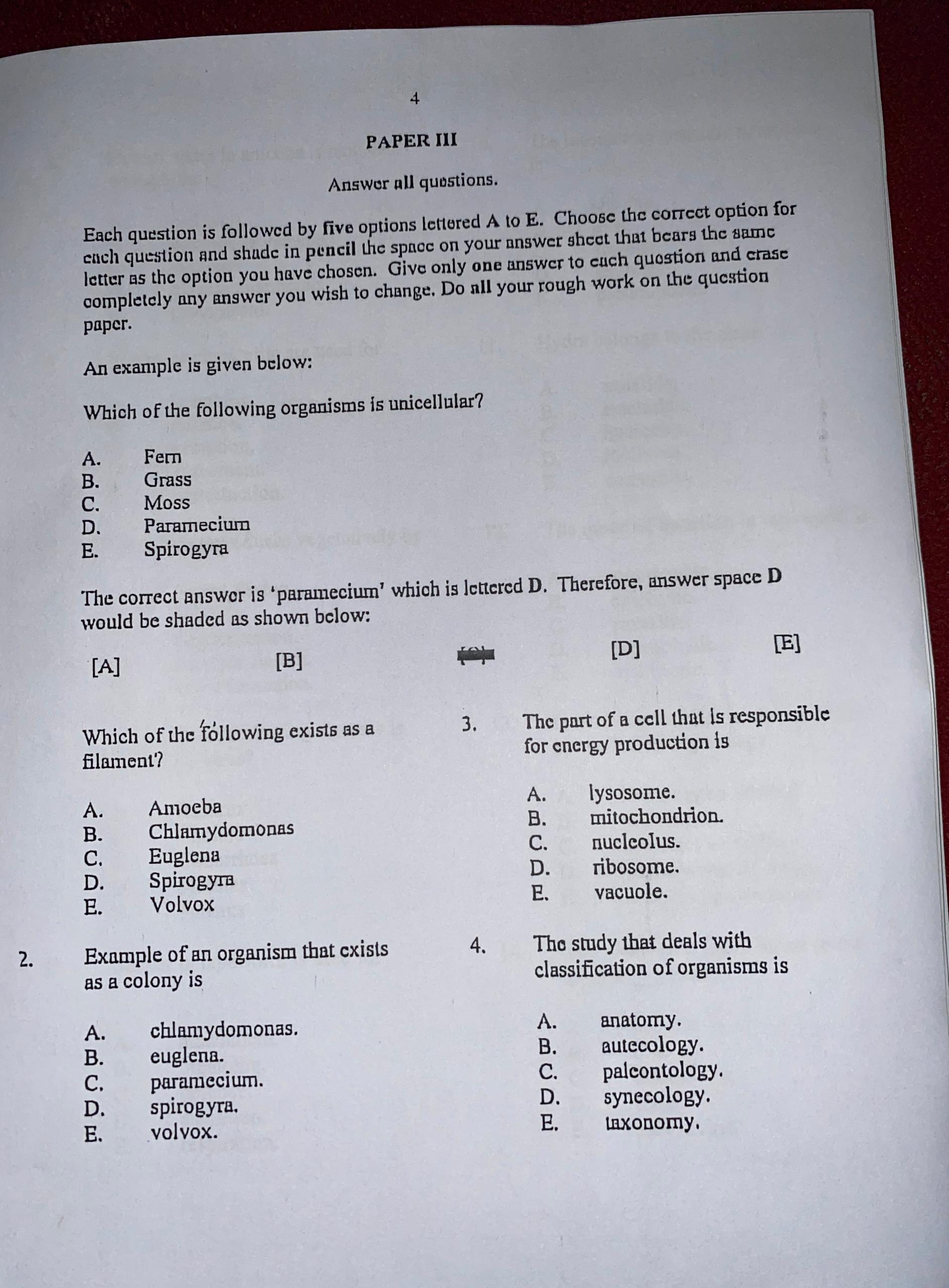
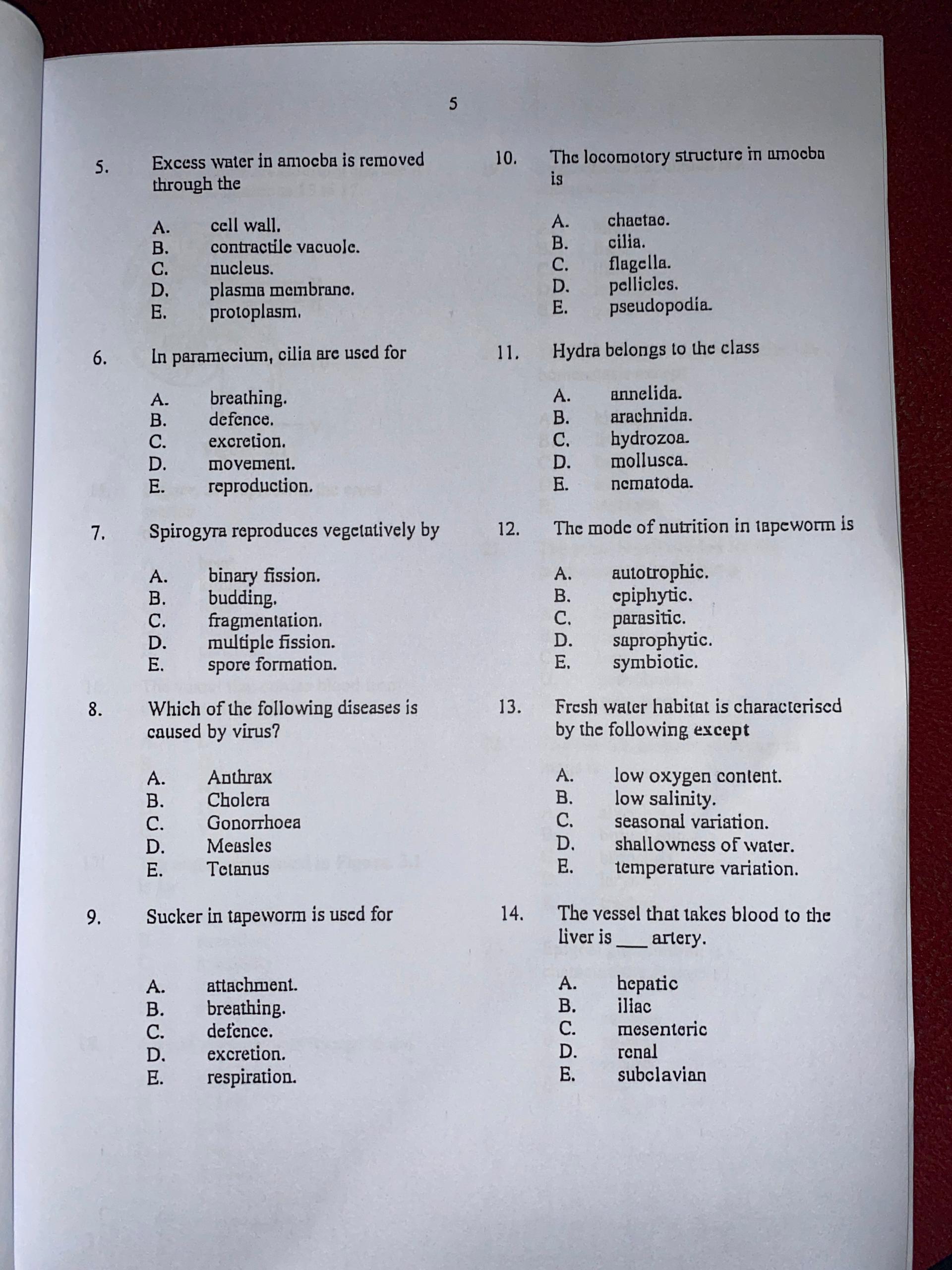
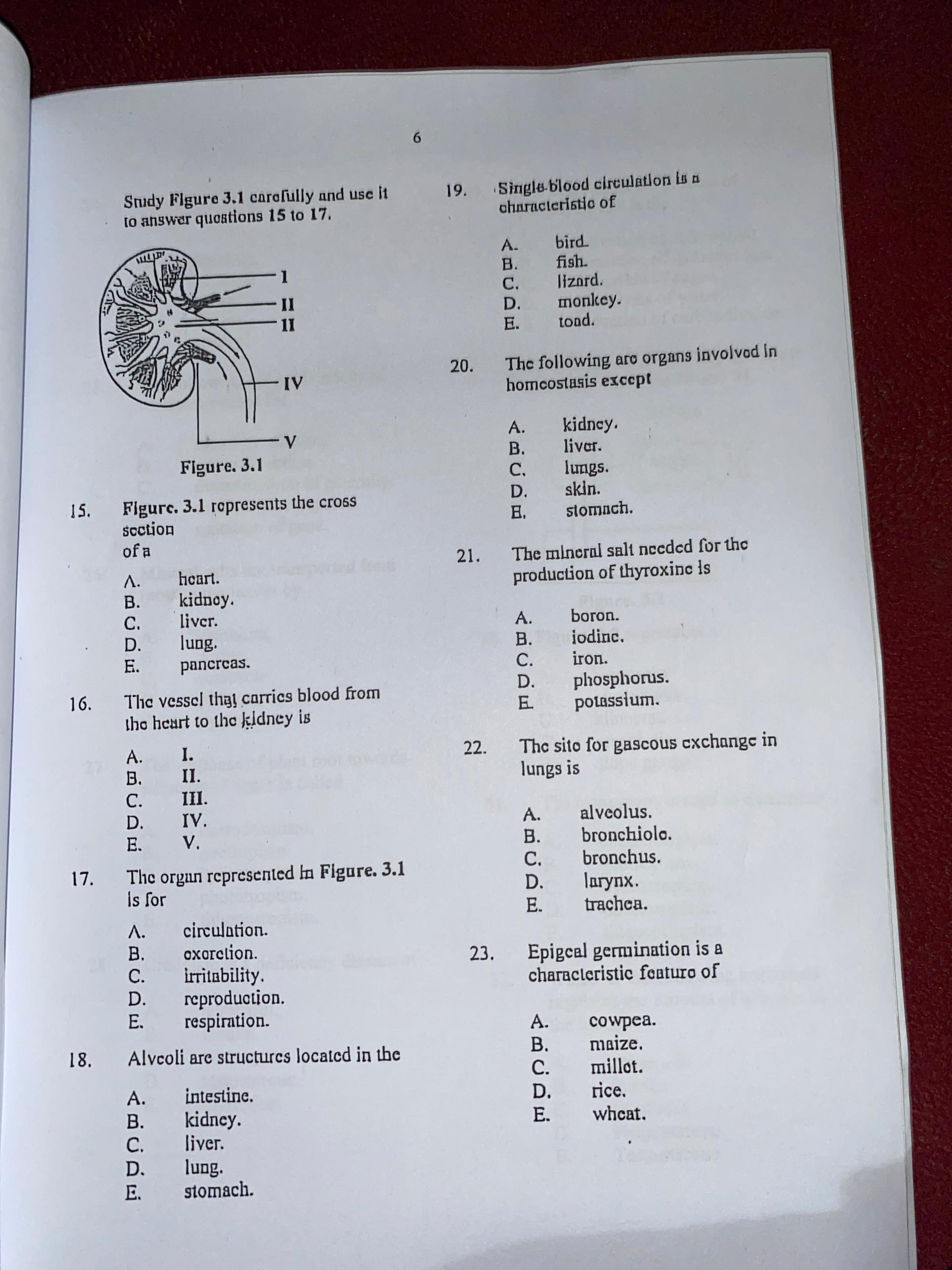
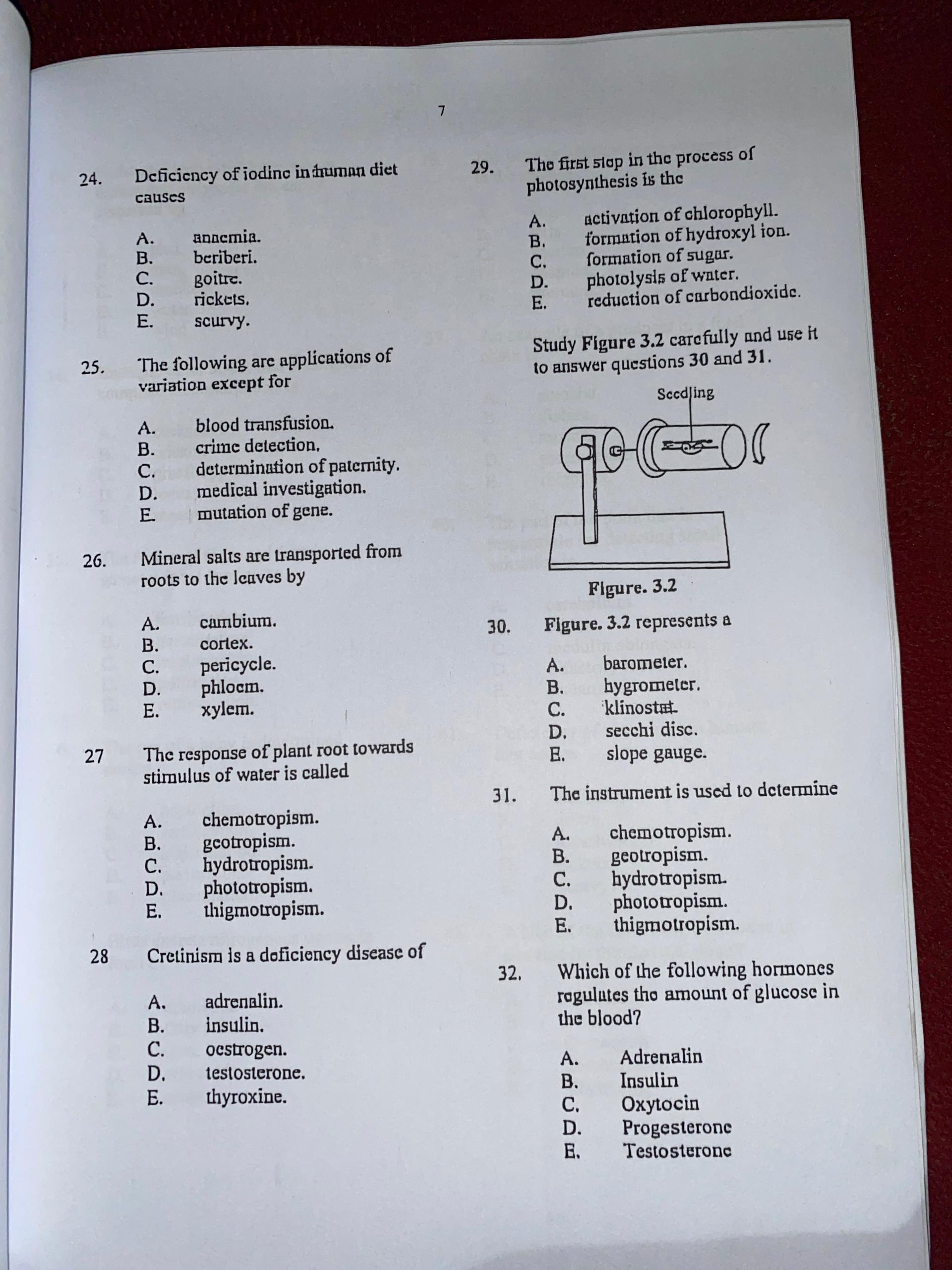
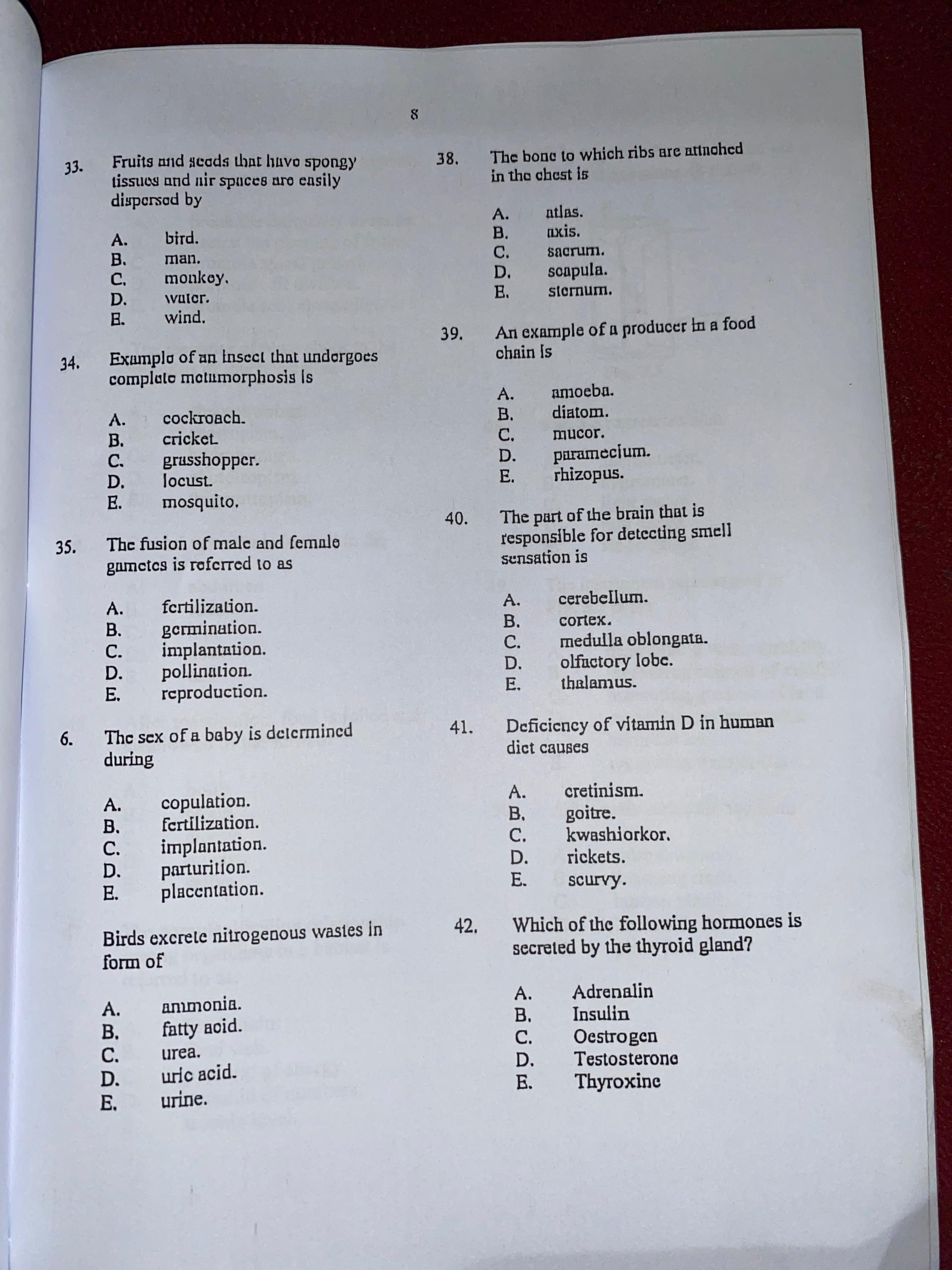
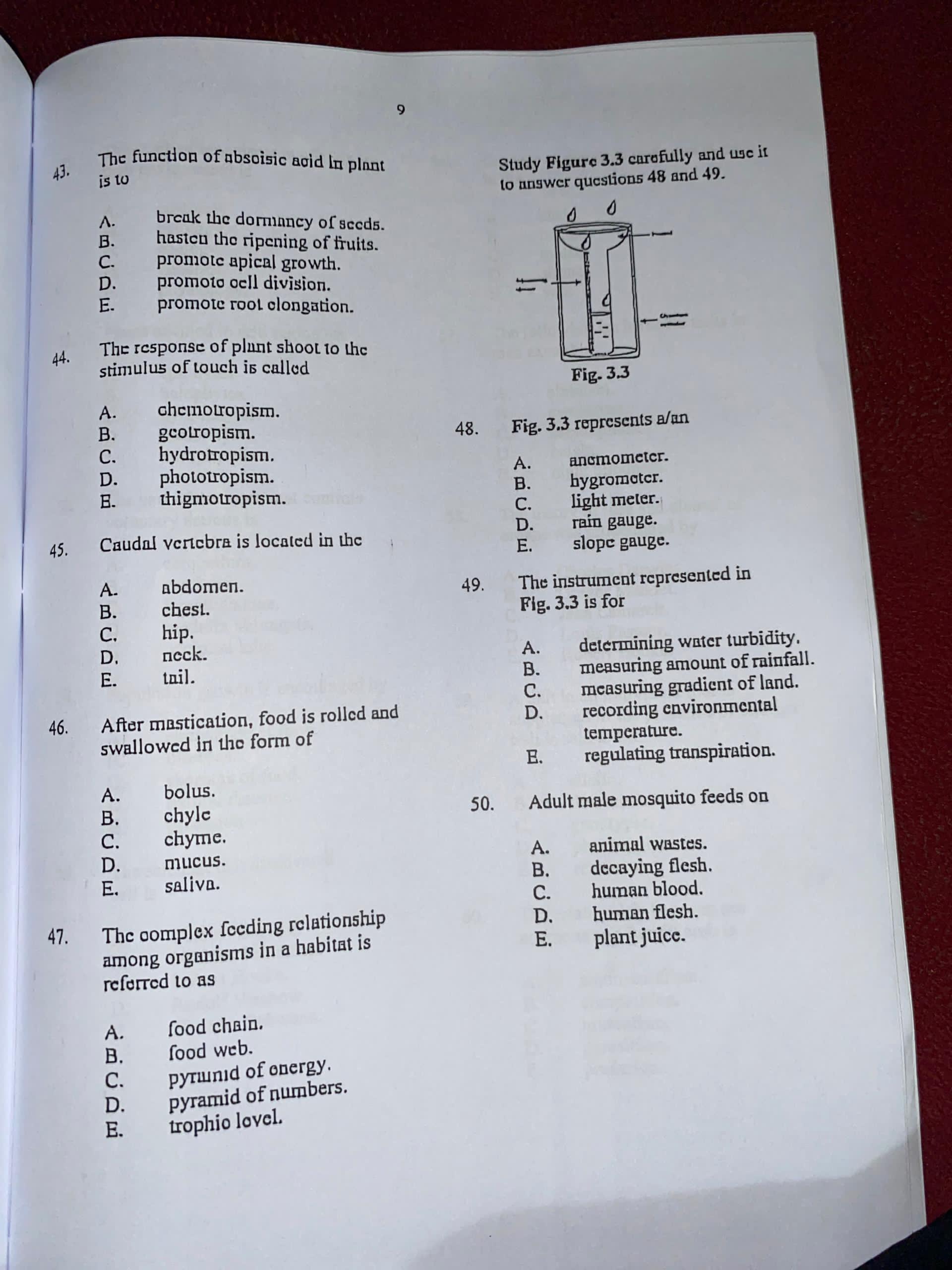
BIOLOGY OBJ:
1-10: DEBEBDCDAE
11-20: CCAABBBDBE
21-30: BAACEECEAC
31-40: BBDEABDEBD
41-50: DEABEABDBE
51-60: CEBACDECEC
(WITH NUMBERING)
1.D 2.E 3.B 4.E 5.B 6.D 7.C 8.D 9.A 10.E
11.C 12.C 13.A 14.A 15.B 16.B 17.B 18.D 19.B 20.E
21.B 22.A 23.A 24.C 25.E 26.E 27.C 28.E 29.A 30.C
31.B 32.B 33.D 34.E 35.A 36.B 37.D 38.E 39.B 40.D
41.D 42.E 43.A 44.B 45.E 46.A 47.B 48.D 49.B 50.E
51.C 52.E 53.B 54.A 55.C 56.D 57.E 58.C 59.E 60.C
(BRIGHTNESS-ENHANCED VERSION)
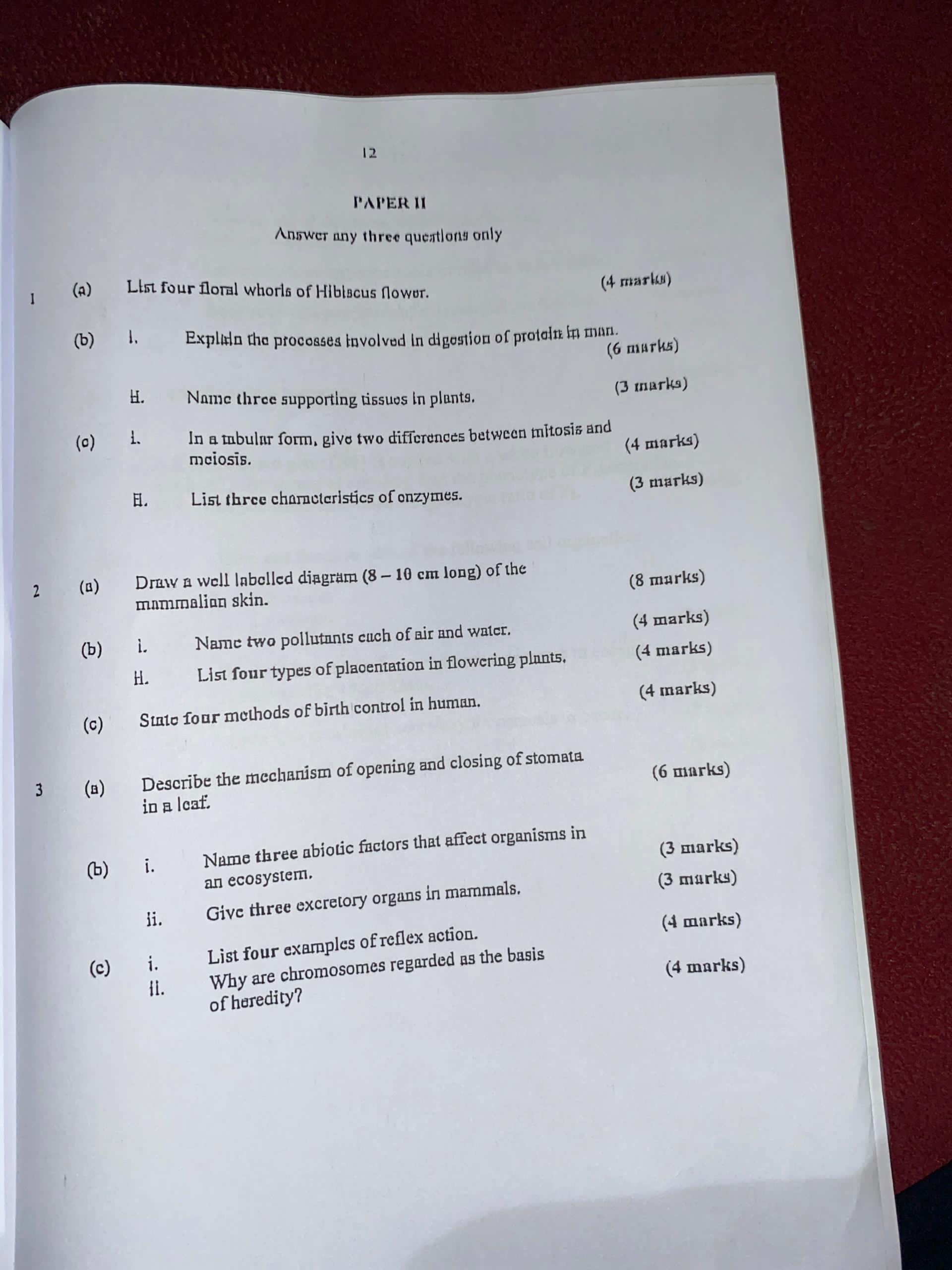
(1a)
(i) Calyx
(ii) Corolla
(iii) Androecium
(iv) Gynoecium
(1bi)
(PICK ANY ONE)
Protein digestion in humans starts in the stomach, where hydrochloric acid and an enzyme called pepsin break large protein molecules into smaller pieces called peptides. In the small intestine, enzymes from the pancreas, such as trypsin, chymotrypsin, and carboxypeptidase, continue to break down these peptides into even smaller units. Further digestion happens with the help of enzymes in the intestinal walls, which change the small peptides into amino acids. These amino acids are then absorbed through the villi of the small intestine into the bloodstream and are used by the body to build and repair tissues and for energy when needed.
OR
The digestion of protein in humans begins in the stomach, where hydrochloric acid helps to unfold proteins, and the enzyme pepsin breaks them into smaller pieces called peptides. These peptides then move into the small intestine, where pancreatic enzymes like trypsin and chymotrypsin break them down further. Another enzyme, carboxypeptidase, helps to release amino acids from the peptide chains. Finally, enzymes in the wall of the small intestine complete the digestion, turning the peptides into amino acids. These amino acids are then absorbed into the bloodstream and used by the body for growth, repair, and energy when necessary.
(1bii)
(PICK ANY THREE)
(i) Parenchyma
(ii) Collenchyma
(iii) Sclerenchyma
(iv) Xylem
(v) Phloem
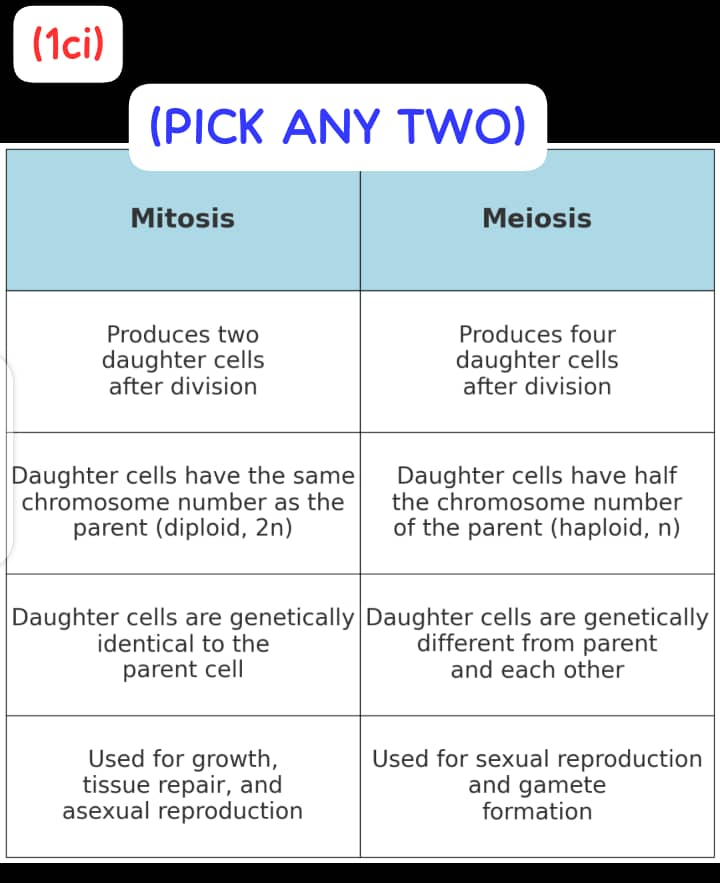
(1ci)
(1cii)
(PICK ANY THREE)
(i) Enzymes are biological catalysts that speed up the rate of chemical reactions in living organisms.
(ii) They are protein in nature and can be denatured by heat and extreme pH.
(iii) Enzymes are specific in action, meaning each enzyme acts on a particular substrate.
(iv) They are not used up during the reactions they catalyse and can be reused.
(v) Enzymes work best at optimum temperature and pH for maximum activity.
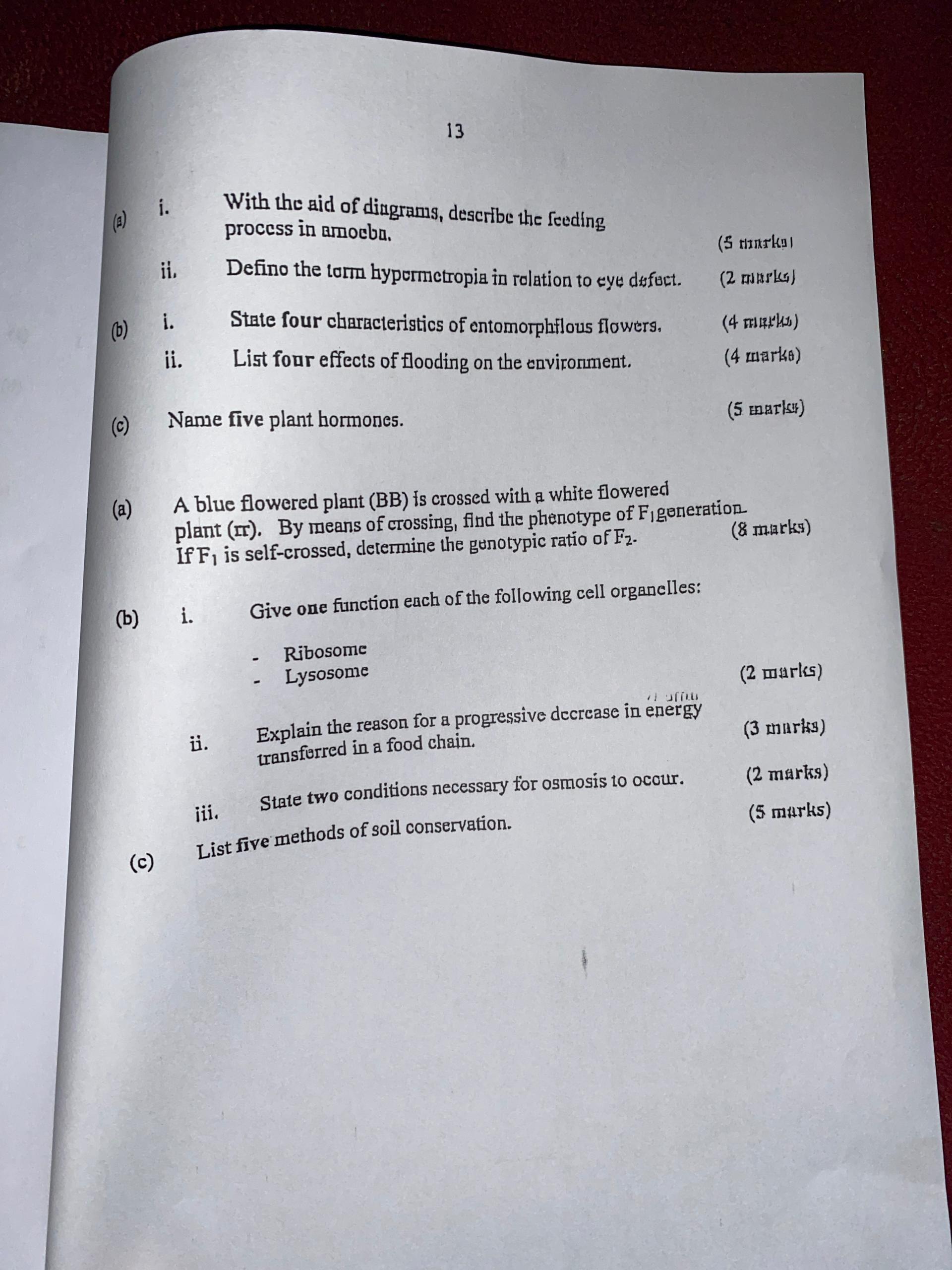
(2)
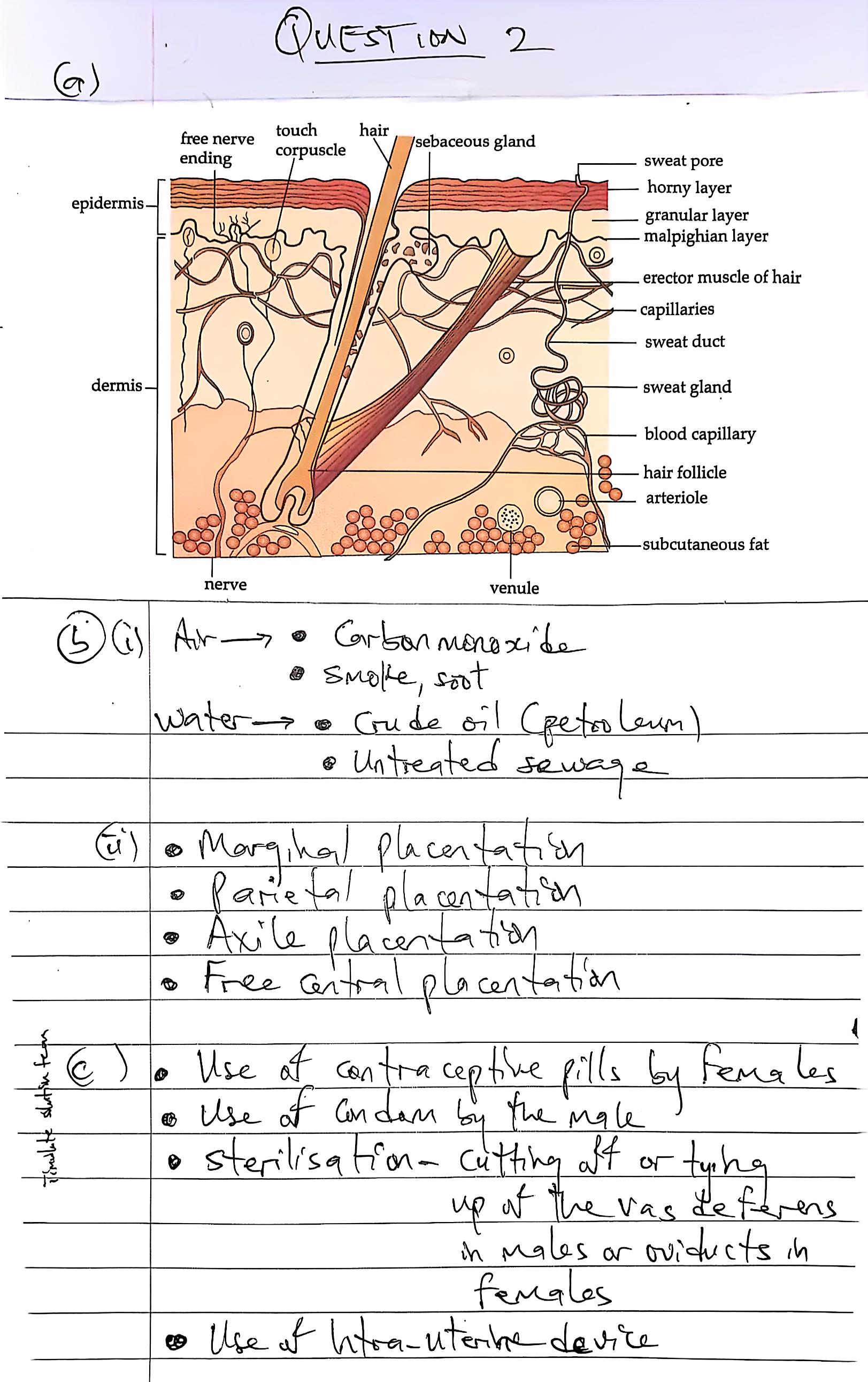
(3)
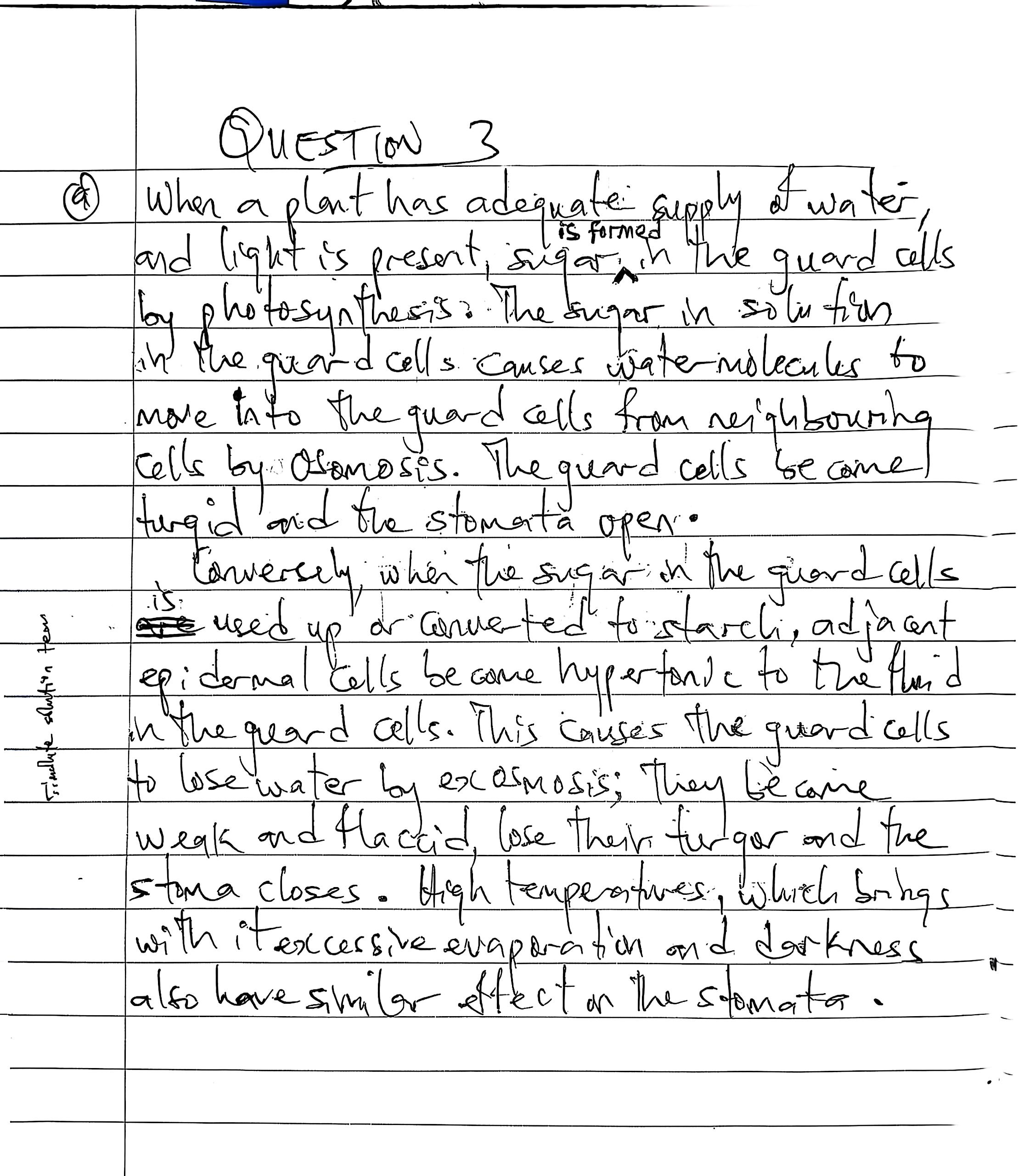
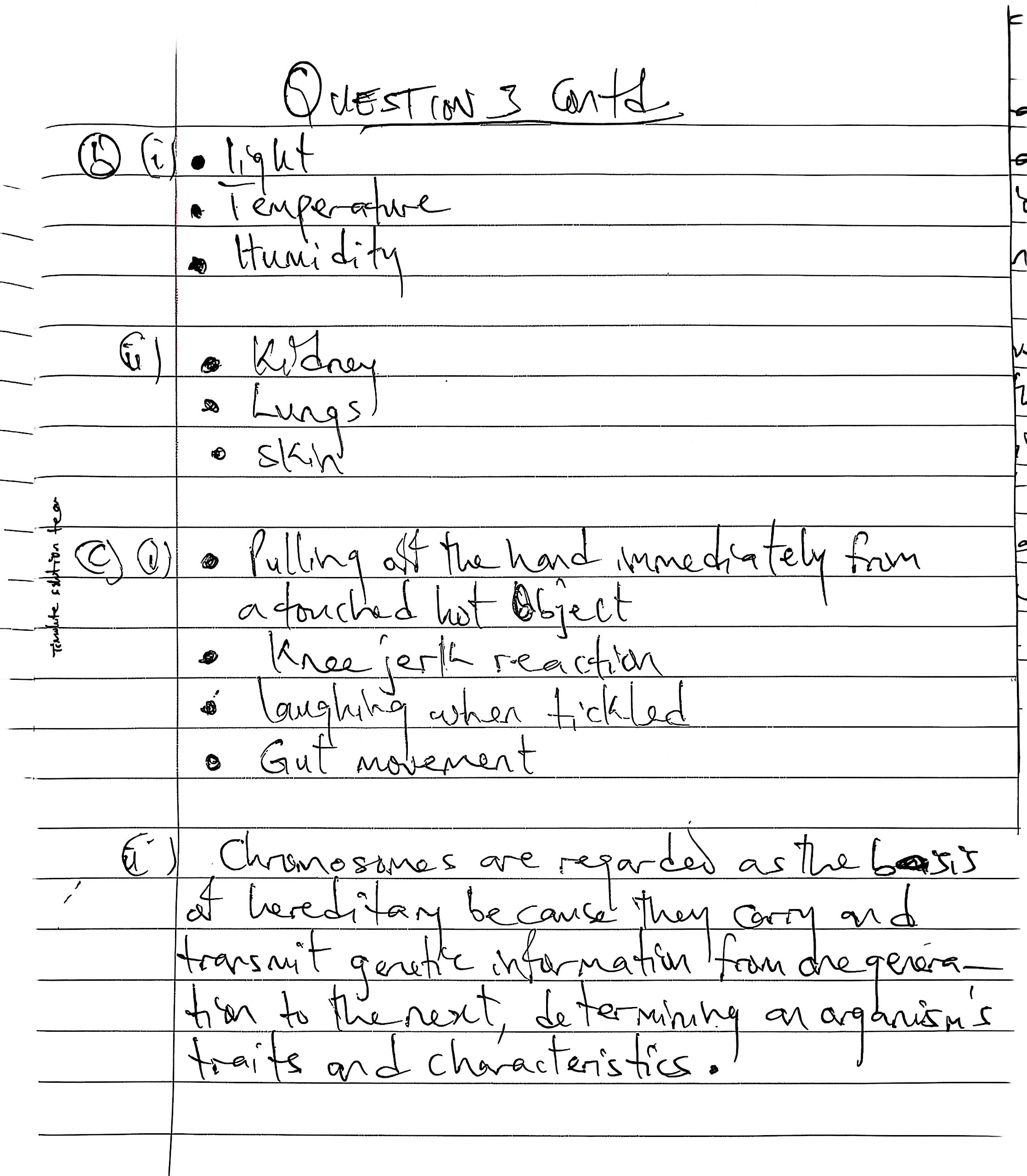
(4)
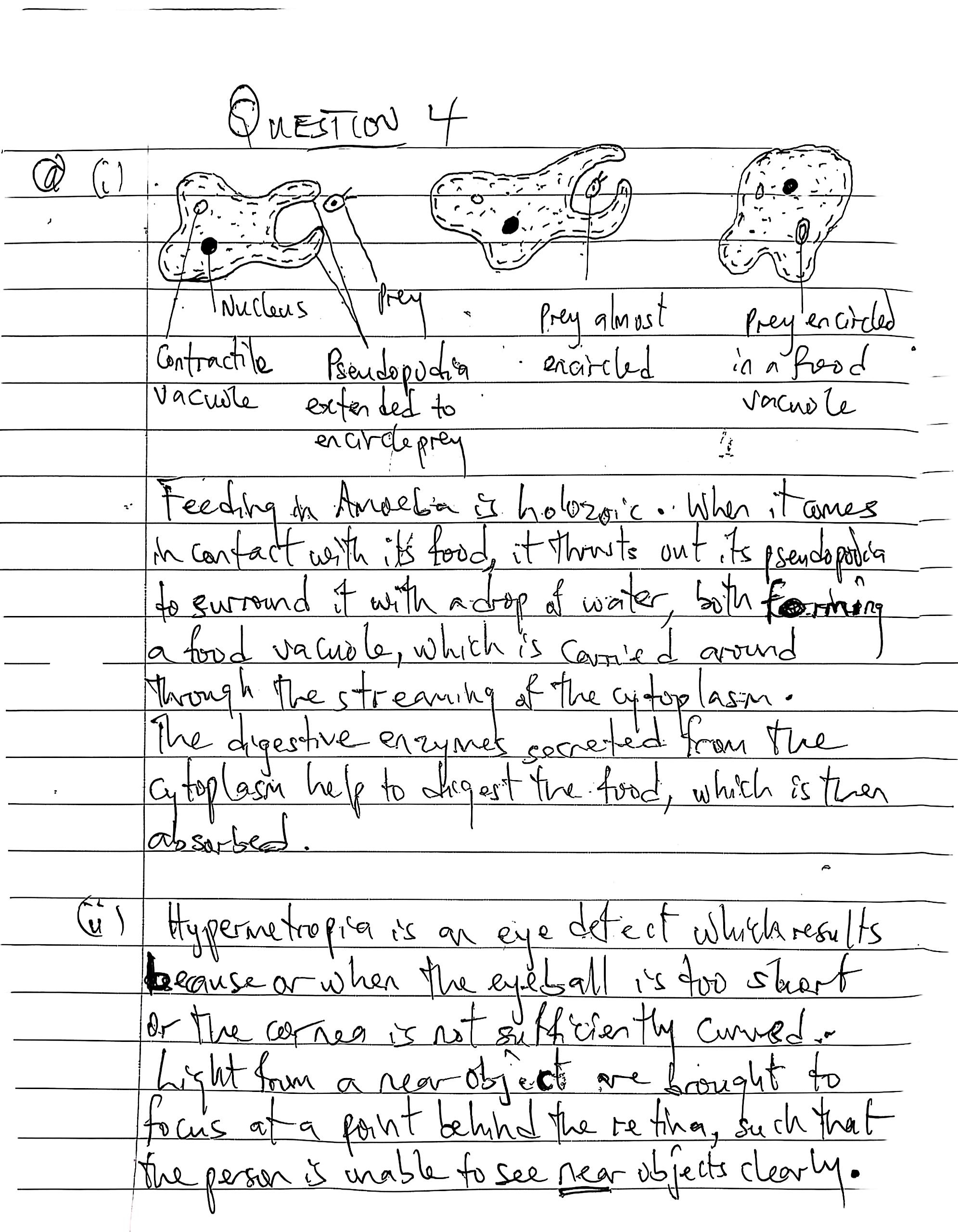
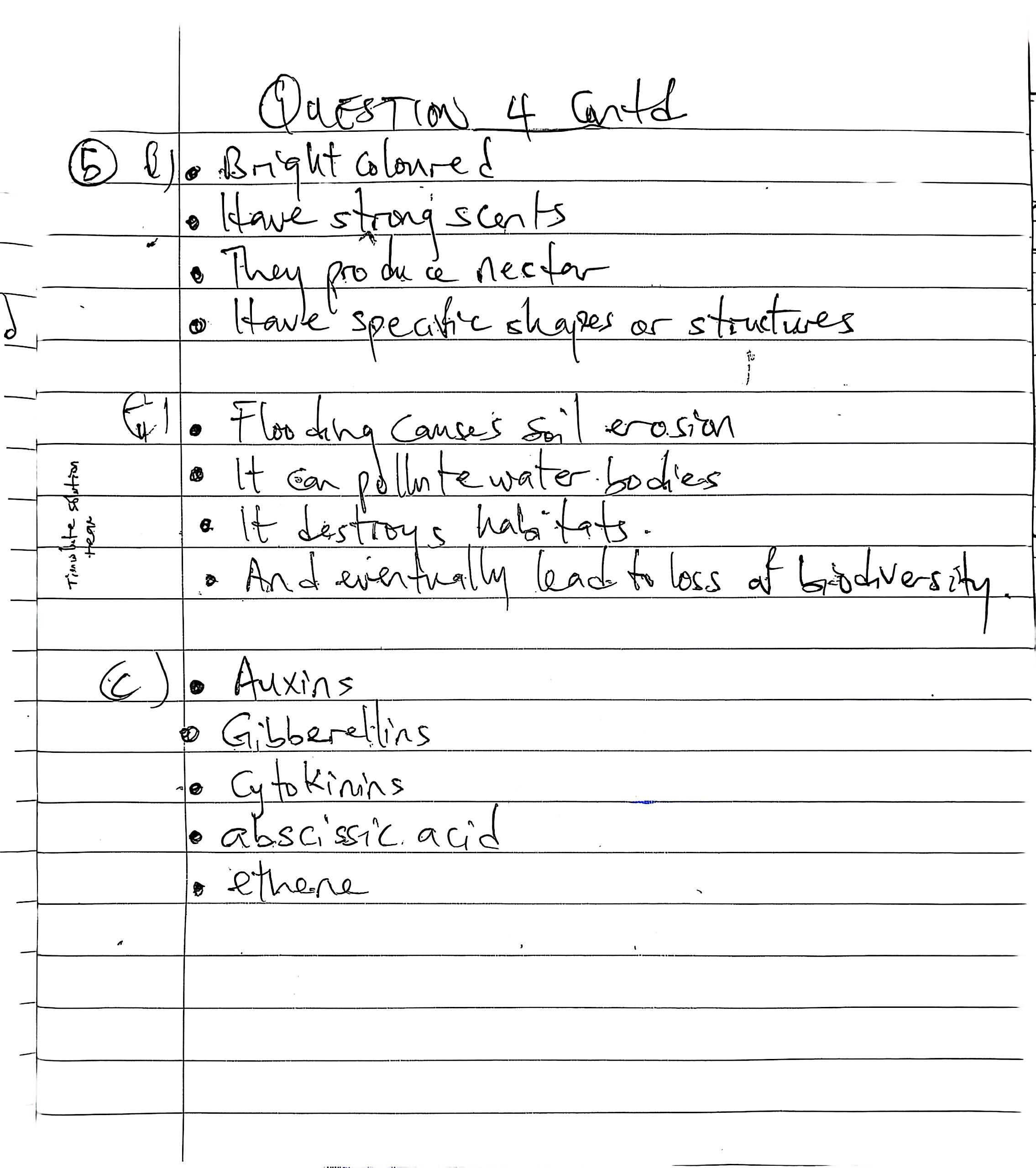
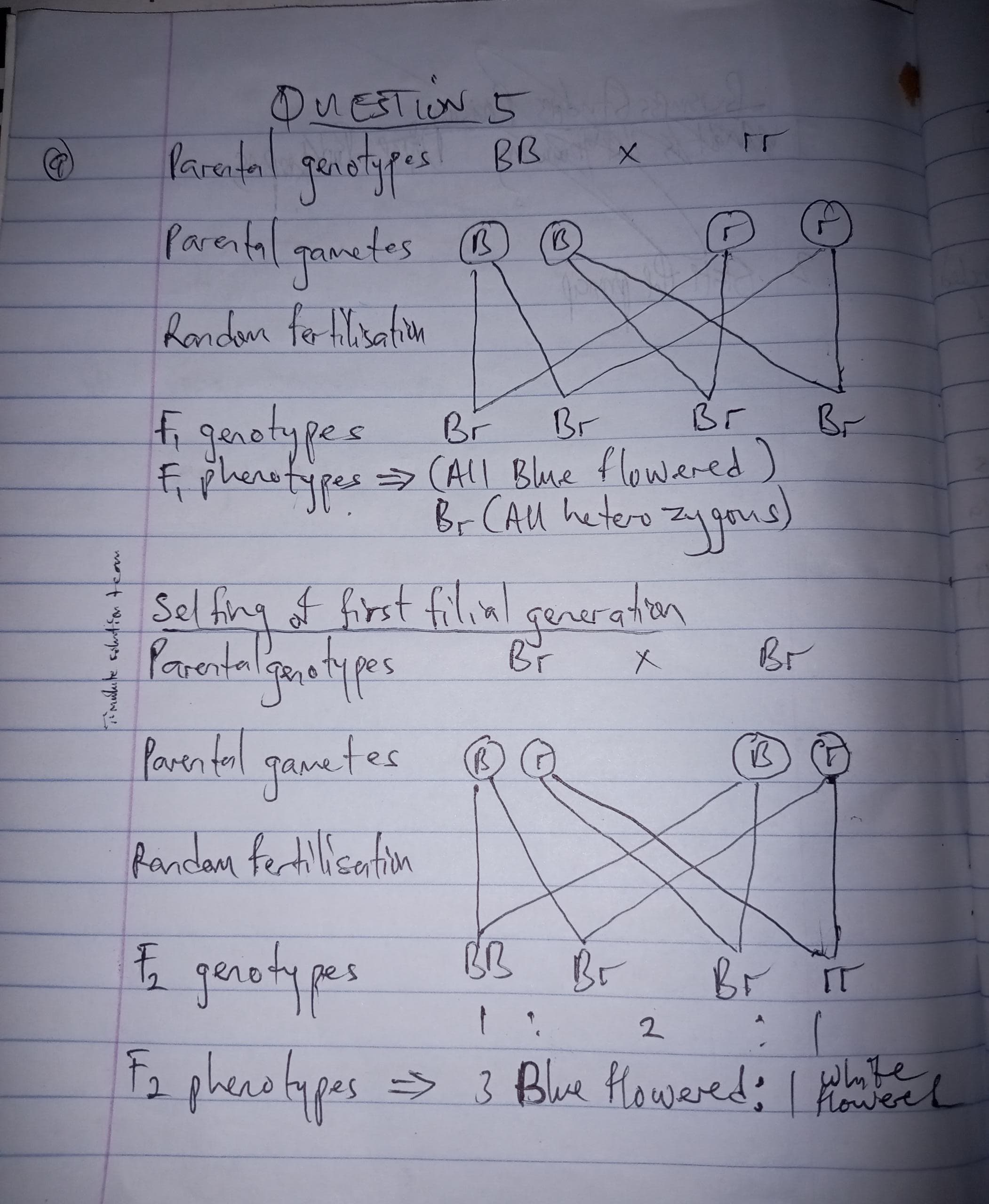
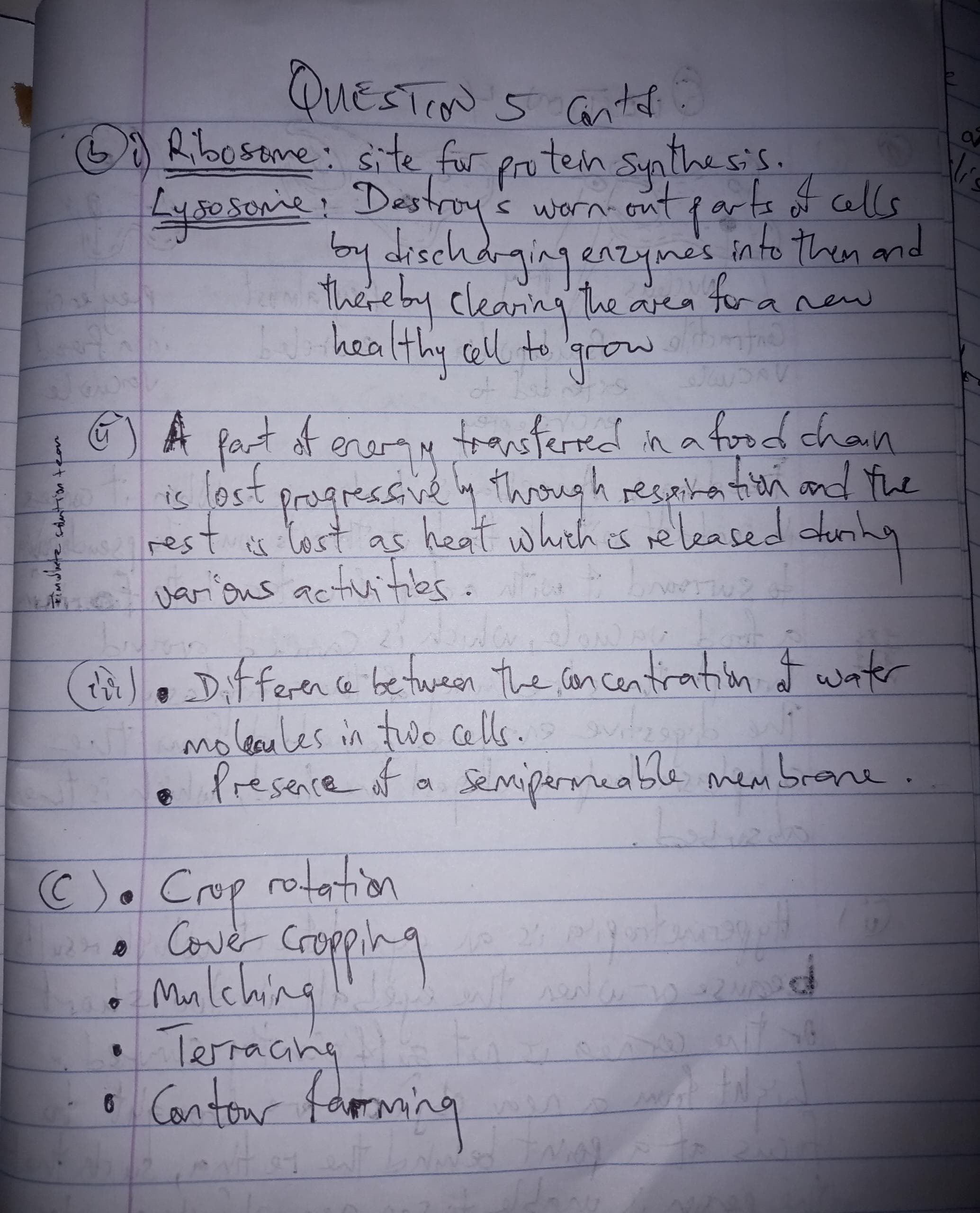
(5)
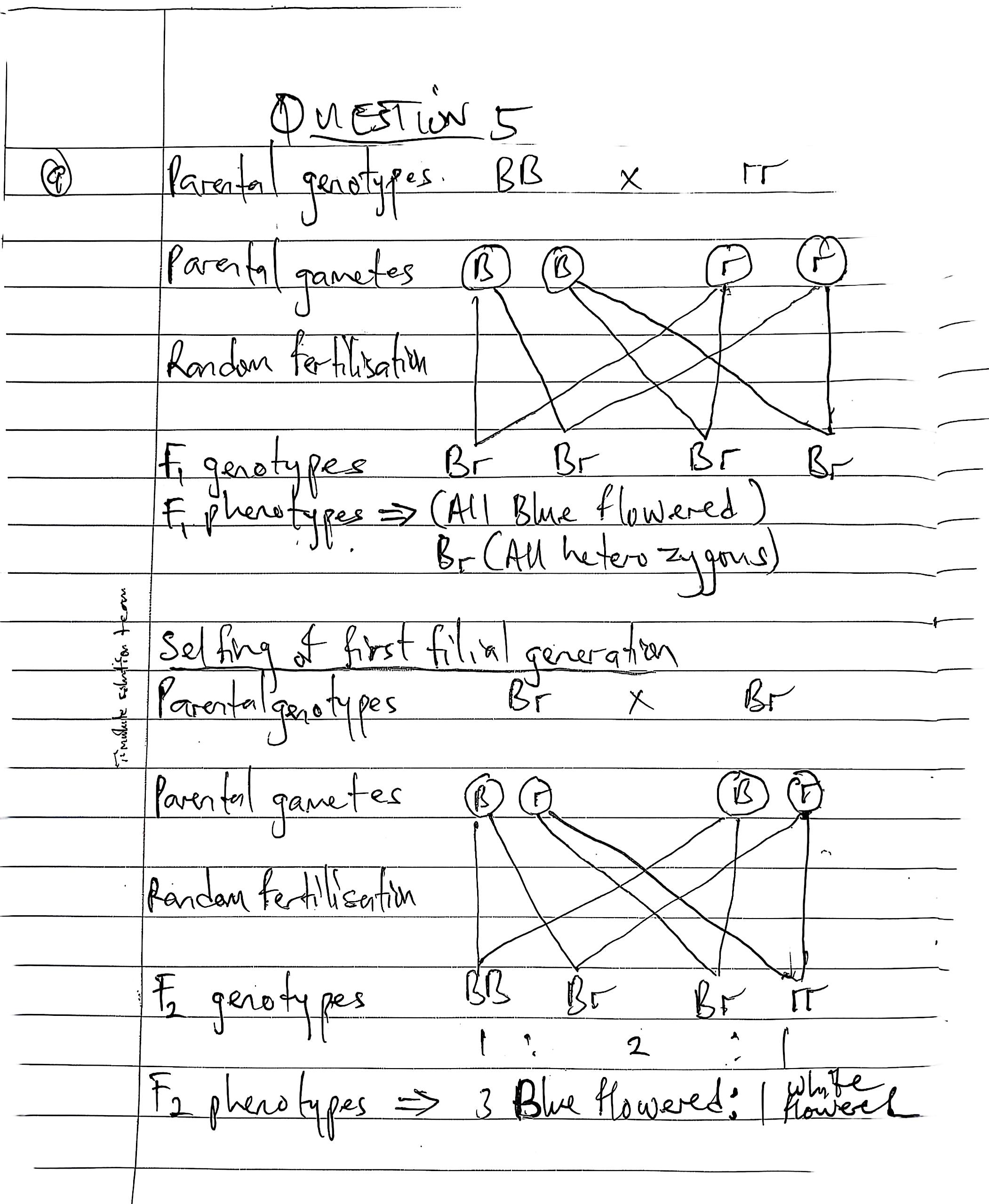
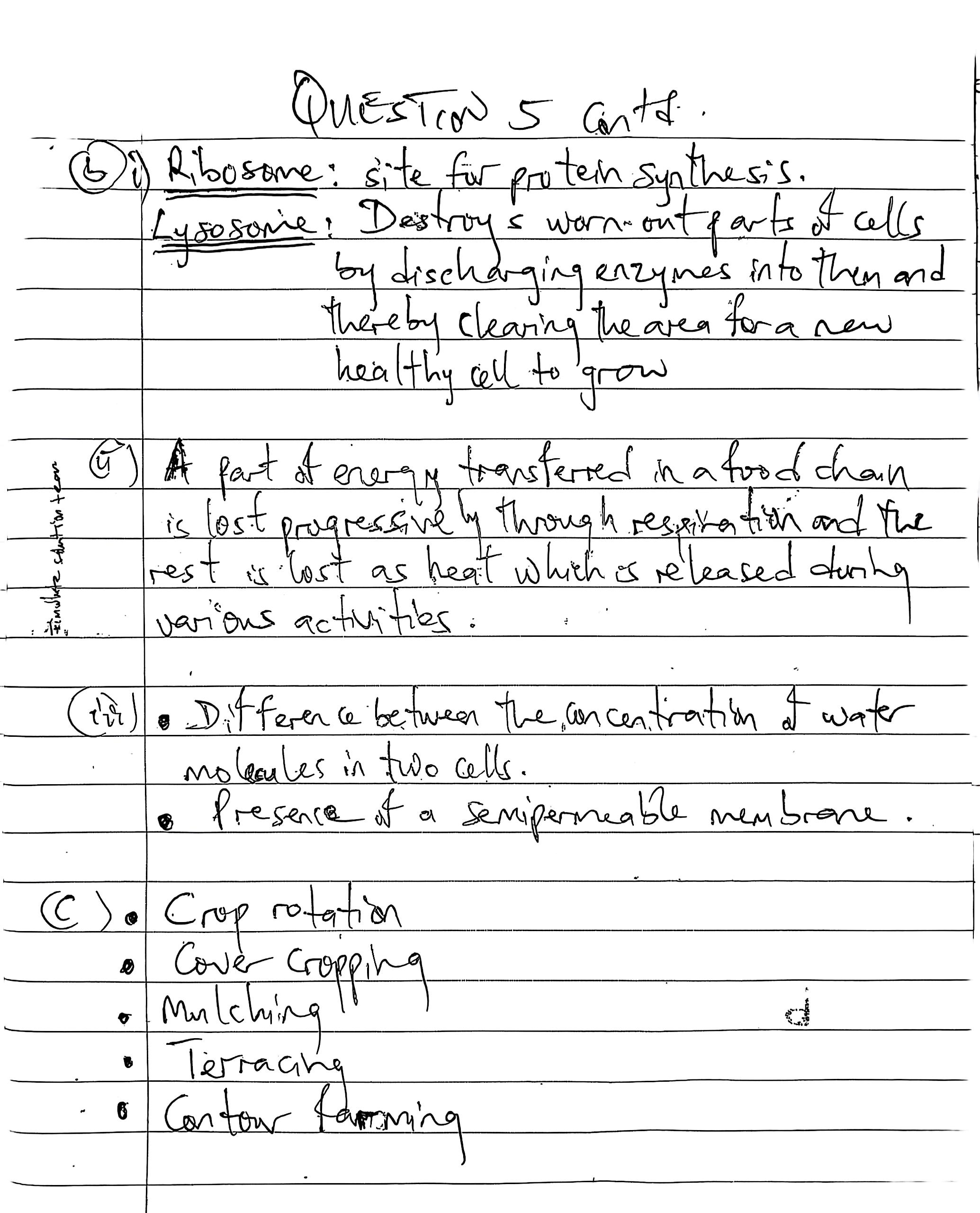
(ORIGINAL VERSION)
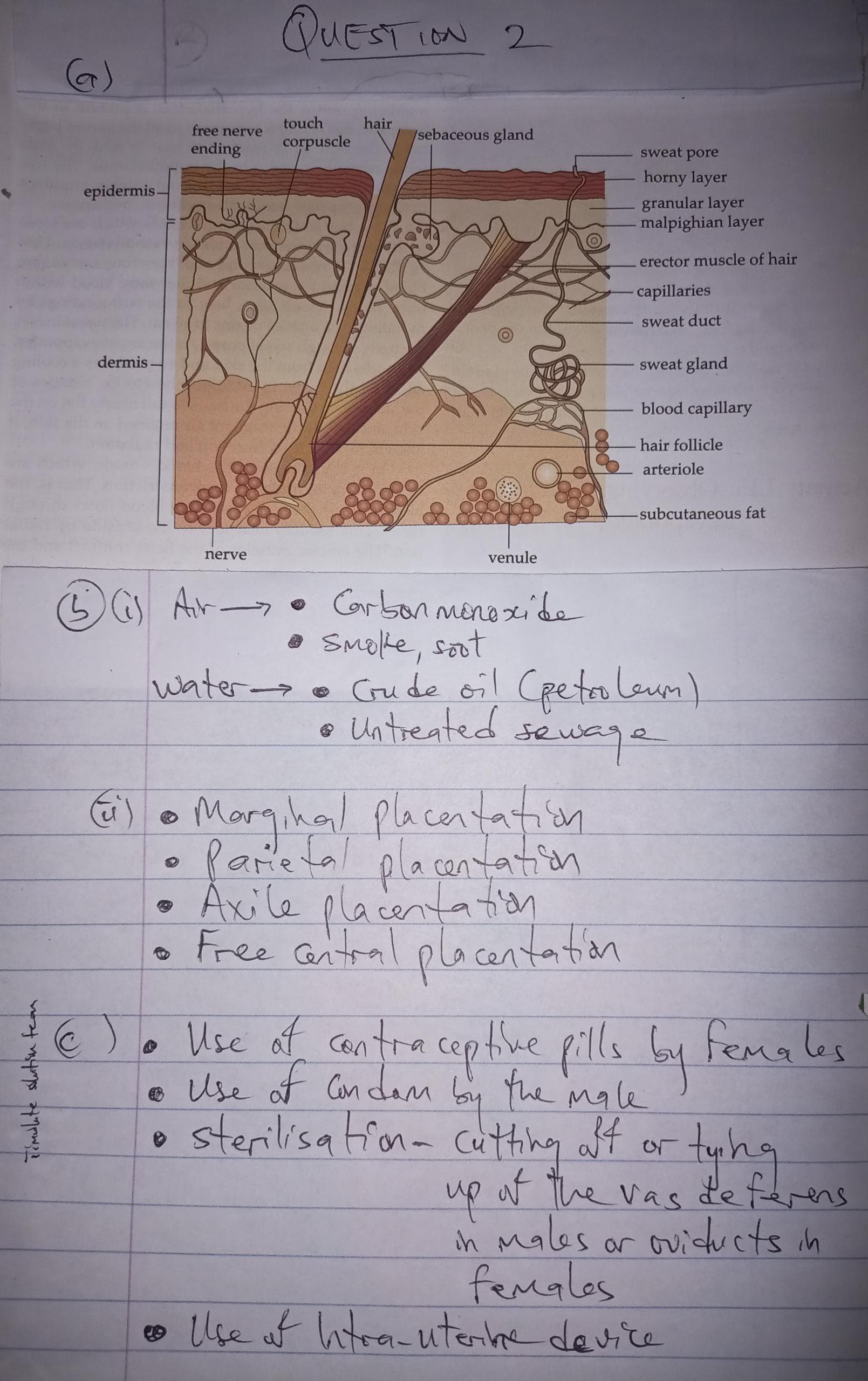
Answers Loading...